When the Signal Ghosts You: The Nomad's Guide to a Foolproof 2 PM Contingency Plan
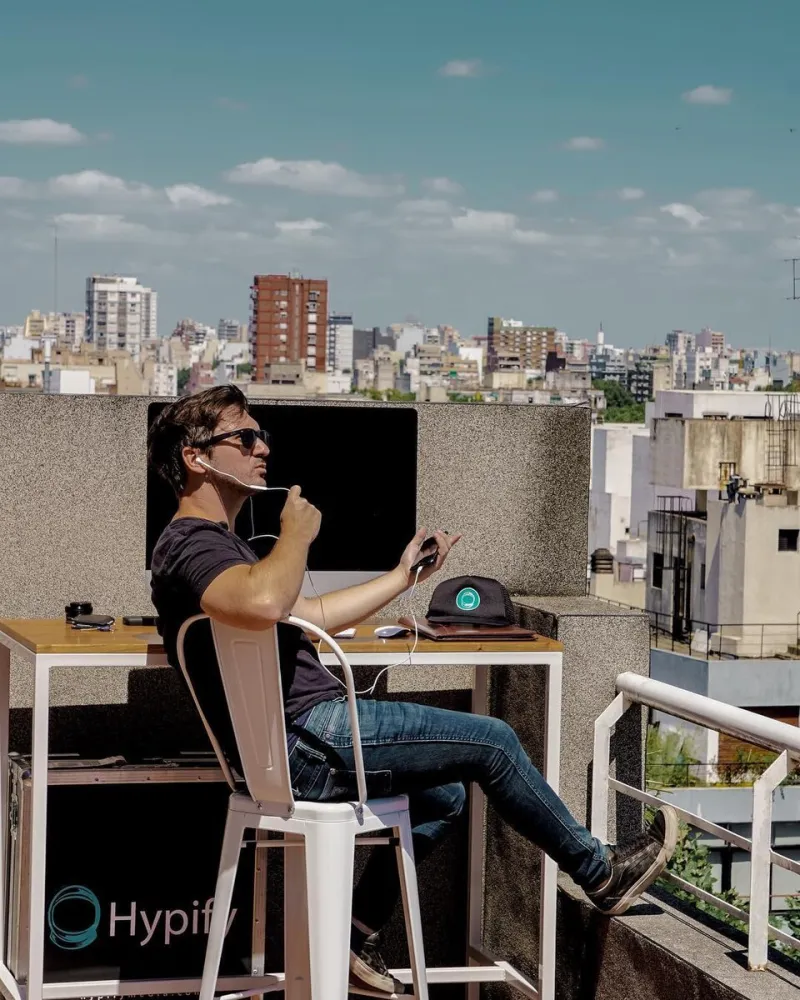
Photo: Hypify, CC BY-SA 4.0, via Wikimedia Commons
It happened to me on a Thursday, which felt personal. The quarterly review with a client in Denver was scheduled for 2 PM sharp, and at 1:58, the resort's Wi-Fi — which had been flawless for eleven straight days — decided to take an unscheduled sabbatical. The little fan icon on my laptop spun like it was mocking me.
I survived. But not because I got lucky. Because I'd spent my first day on the property doing something most guests skip: building a backup plan. Consider this your cheat sheet, compiled from resort staff, long-term guests, and one very prepared software developer from Austin who treats connectivity like a fire drill.
Day One Isn't for Lounging (Okay, a Little Lounging)
The single most common mistake new arrivals make, according to Marisol, who runs guest services at Nomad Resort X, is treating day one like a vacation day. "The guests who never have problems are the ones who spend their first afternoon doing recon," she told me. "They walk the property, they test the Wi-Fi in three or four spots, they find the dead zones. Then nothing surprises them."
Her recommended checklist:
- Map the strong zones. The lobby might be packed at 10 AM but empty at 2 PM. The beachfront deck may look dreamy but drop packets every time a palm tree sways. Know your reliable corners.
- Identify the fallback café. There's usually a spot within a ten-minute walk with decent espresso and better bandwidth. Find it before you need it. Bonus points if you introduce yourself to the owner — a wave and a nod go a long way when you show up in crisis mode.
- Locate the nearest coworking space. Even if you never plan to use it, knowing it exists turns a panic situation into a mild inconvenience.
- Find the SIM card vendor. Airports overcharge. Local shops don't. A prepaid eSIM or physical SIM with a generous data plan is the single best insurance policy you can buy for under $30.
The Hotspot Hierarchy
Devon, a product manager from Chicago who's been living at the resort for five months, has what he calls a "connectivity stack." It's a prioritized list of backups, and he swears by it.
"Tier one is the resort Wi-Fi. Tier two is my phone's hotspot on a local SIM. Tier three is a second SIM from a different carrier, because the two networks here don't fail at the same time. Tier four is the café down the street. Tier five is the coworking space in town. I've needed tier five exactly once, and because I knew where it was, I was on a video call eleven minutes after my connection died. My client never knew."
The two-SIM trick sounds paranoid until you experience a carrier-wide outage during your performance review. US carriers like T-Mobile and AT&T offer international day passes, but those are stopgaps. A local data plan is almost always cheaper and faster. Buy it the day you land, not the day you need it.
Tell Your Calendar, Not Just Yourself
Here's the part nobody thinks about: your contingency plan should live in your calendar, not your head. Devon puts a note in every high-stakes meeting invite — "Backup: hotspot / café fallback" — so that when things go sideways, he's not making decisions with adrenaline coursing through him.
Other pro moves from the long-stay crowd:
- Download everything the night before. Decks, docs, dashboards — if a meeting references it, have it offline. A dropped call stings; a dropped call with no materials stings more.
- Keep your hotspot charged. A portable battery is useless in a drawer. Charge your phone and your power bank every morning like it's brushing your teeth.
- Have a grace script. "Apologies, my connection dropped — switching to audio" sounds professional. Dead air and panic typing does not. Know what you'll say before you need to say it.
When It's the Resort's Fault (and What Staff Wish You'd Do)
I asked Marisol what she wishes guests would do when the Wi-Fi fails. Her answer surprised me: report it immediately, and be specific.
"Guests will suffer through a slow morning and mention it at checkout," she said. "By then we've lost two days of fixing it. If your connection drops at 2 PM, tell us at 2:05. We can often reroute you to a stronger access point, or at minimum warn other guests in that wing."
Resorts — the good ones, anyway — treat connectivity like housekeeping: a maintenance issue with a solution, not a fact of tropical life. Nomad Resort X keeps a status log and a handful of portable routers for exactly this reason. But they can't fix what they don't know about.
The Mindset Shift
Somewhere between the panic of that first dropped call and the calm of my fifth backup plan, I noticed something: the anxiety around connectivity fades once you've done the prep. It's the same reason frequent flyers don't sweat gate changes. The chaos doesn't stop — your relationship to it does.
So here's the assignment: before your next workation, spend one afternoon building your stack. Walk the property. Buy the SIM. Save the café's address offline. Put your fallback in your calendar invite.
Then, when the signal ghosts you at 1:58 on a Thursday, you'll do what the prepared nomads do — shrug, switch tiers, and make your call with the ocean still audibly in the background. That's not luck. That's a plan.