Your Body Isn't Broken at 3 PM — Your Office Is: What a Hammock Taught Me About the Afternoon Dip

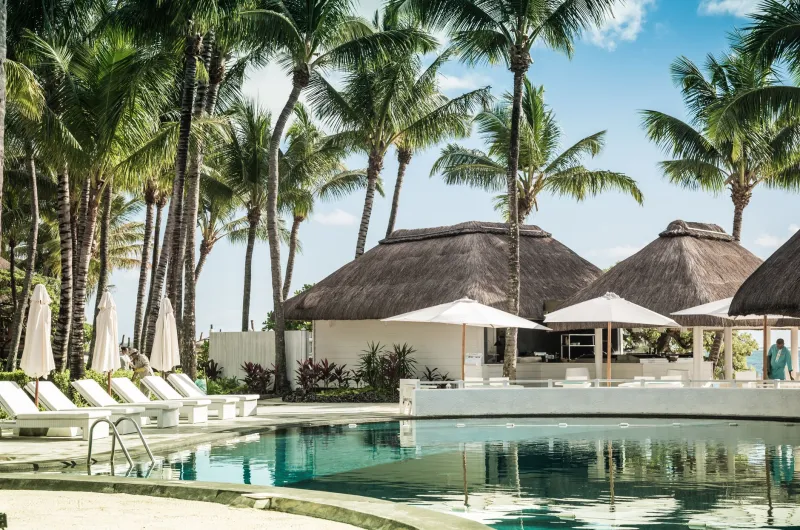
Photo: iMahesh, CC BY-SA 4.0, via Wikimedia Commons
Every remote worker in America knows the feeling. It's 2:47 PM, your eyelids weigh roughly nine pounds each, and you're staring at a Slack message you've read four times without comprehending a single word. The standard playbook says: another cold brew, a protein bar, maybe a brisk lap around the apartment if you're feeling ambitious.
Here's the thing nobody tells you — the playbook might be wrong.
The Dip Isn't a Bug. It's Factory Settings.
I called Dr. Priya Raman, a circadian biology researcher who studies post-lunch performance dips in knowledge workers, expecting her to hand me a list of productivity hacks. Instead, she handed me a biology lesson.
"The post-lunch dip is one of the most robust findings in sleep science," she told me. "Core body temperature dips in the early afternoon regardless of whether you ate lunch. Alertness drops. It happens to shift workers, to people who fast, to people who chug espresso. It's part of the human circadian rhythm."
In other words: your 3 PM slump isn't a character flaw. It's firmware.
What varies, Dr. Raman explained, is how badly environments amplify the dip. Home offices, she noted, are circadian disasters. "Most people work in a dim room under static artificial light, sitting in the same chair for nine hours. Low light exposure in the morning, no movement variation, chronic low-grade stress from notifications. All of it deepens the afternoon trough."
Then she said something that stuck with me: "The dip is less severe in people who have genuine recovery opportunities during the day. Not scrolling. Actual physiological recovery."
Actual physiological recovery. I'd been trying to caffeinate my way past a biological process for six years.
The Experiment: Casita vs. Cubicle
I'd been at Nomad Resort X for about two weeks when I decided to run myself as the test subject. For three workdays, I'd keep my normal schedule — standup at 9, deep work blocks, the whole routine. For the next three, I'd change exactly one variable: when the 3 PM fog rolled in, I'd skip the espresso bar entirely and climb into one of the shaded hammocks strung between the palms near the co-working deck.
Twenty minutes. No phone. Eyes closed or half-open, watching light filter through the fronds.
The results were honestly a little offensive. On espresso days, my 3-to-5 PM output looked like everyone's — jittery sprints followed by fog, another coffee at 4:30, a wired-but-unproductive evening. On hammock days, something different happened. I came back to my desk at 3:30 and the work was just... there. Clean thoughts. Fewer typos. I finished a client deck by 5:15 that I'd been dreading for a week.
"What you're describing tracks with the nap research," Dr. Raman told me when I reported back. "Short rest periods — ten to twenty minutes — improve alertness and cognitive performance without the grogginess of longer sleep. The hammock's gentle rocking may even help; there's research showing rocking motions accelerate sleep onset and deepen light sleep. You're essentially doing a micro power nap without committing to one."
I'm Not the Only One Who Noticed
Marcus Bell, a product designer from Austin who's been living the nomad life for three years, put it more bluntly when I mentioned my experiment over dinner.
"Back home, my 3 PM was a vending machine relationship," he said. "Third coffee, maybe a fifth if a deadline was brutal. Here? I take a hammock break like it's a meeting on my calendar. Twenty minutes, every day. My afternoons are worth more than my mornings now, which I did not think was a thing that could happen to a person."
Marcus's theory is that the resort environment removes the friction that makes recovery feel impossible at home. "In my apartment, resting felt like slacking. There's laundry staring at you. Here, the hammock is right there and nobody's judging you. The environment gives you permission."
What To Do With This Information (Even Without a Hammock)
You don't need a beachfront casita to steal the core insight. Dr. Raman's practical takeaways work anywhere:
- Get morning light. Ten minutes outside within an hour of waking anchors your circadian rhythm and makes the afternoon dip shallower.
- Stop fighting the dip with stimulants. Caffeine after 2 PM trades a rough afternoon for a rough night, which makes tomorrow's dip worse. It's a loan shark arrangement.
- Schedule recovery like a meeting. Twenty minutes of genuine rest — a walk, a lie-down, a hammock if you've got one — beats forty minutes of doom-scrolling.
- Change your physical state, not your chemical one. Movement, posture change, fresh air. Your body is asking for a state change, not a stimulant.
The 3 PM slump isn't a lie, exactly — but the story we've been told about it, the one where the answer is always more coffee and more grind, absolutely is. Your body isn't demanding a third espresso. It's asking for twenty horizontal minutes under a palm tree.
Turns out, your body has excellent taste.