The Red Carpet List: Countries Rolling Out Visas for Americans With Laptops
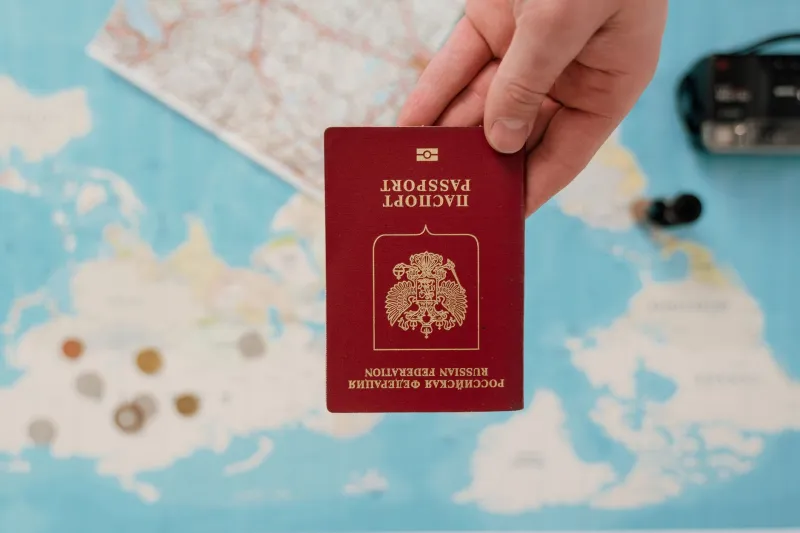
There's a phrase every American remote worker needs tattooed somewhere visible: tourist visas are not work permits. That idyllic month in Bali on a standard tourist entry? Technically a gray zone at best. The good news is that you no longer have to live in the gray zone, because over 50 countries have rolled out formal digital nomad visas — and a surprising number of them are practically begging Americans to apply.
I spent the last few months digging through the requirements, the fees, and the fine print, and here's the honest breakdown of where the red carpet actually is.
Barbados: The Original Welcome Stamp
Barbados deserves credit for starting the modern wave. Their program — literally called the Welcome Stamp — launched in 2020 and remains one of the simplest paths available.
The basics: A $2,000 fee for individuals ($3,000 for families), proof of roughly $50,000 in annual income, and health insurance coverage. The visa runs for 12 months with the option to renew. No local income tax on foreign earnings, which is a bigger deal than it sounds.
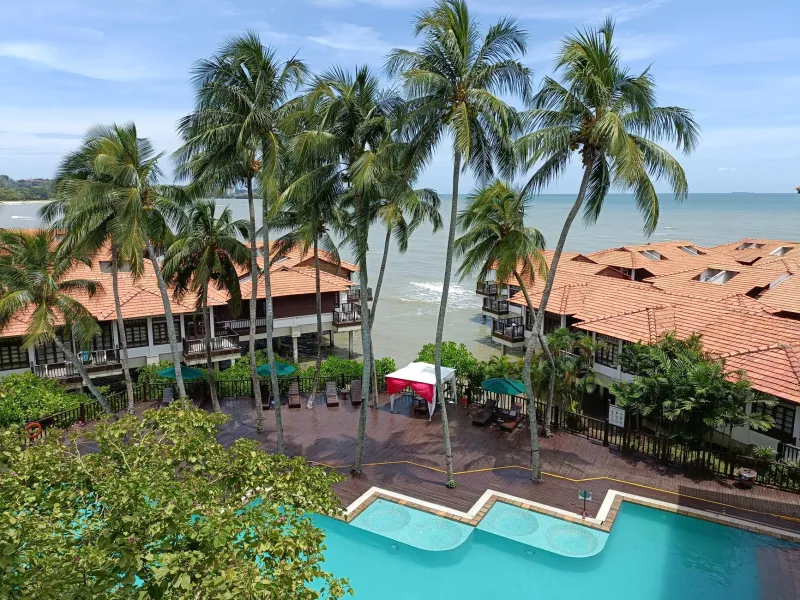
The practical upside? English is the official language, the time zone sits conveniently close to US Eastern, and the island has spent years building out long-stay infrastructure for exactly this crowd. Pairing the application with a pre-booked extended resort stay means you land with housing sorted — one less thing to negotiate from a jet-lagged daze.
Portugal: The European Dream, Paperwork Included
Portugal's offering is the one your coworker won't stop talking about, and for good reason. The country created a formal visa pathway for remote workers that can eventually lead to residency — a genuinely different proposition from the one-year-and-done programs elsewhere.
The basics: Expect to show a monthly income of roughly €3,000 (around $3,250, though requirements shift), a criminal background check, and proof of accommodation. Processing happens through Portuguese consulates in the US, and timelines can stretch — start this one months ahead, not weeks.
The trade-off for the bureaucracy is enormous: Schengen access, a huge expat infrastructure, and cities built for long, slow living. Lisbon and Porto get the headlines, but the coastal towns are where the long-stay value lives.
The Quick-Hit Contenders
Beyond the headliners, several programs stand out for different reasons:
- Costa Rica — the 'digital nomad visa' requires proof of around $3,000 monthly income, grants a one-year stay renewable once, and lets you import your work equipment tax-free. Plus, it's a direct flight from most major US hubs.
- Mexico — while not branded as a nomad visa, the temporary resident visa is a well-trodden path for Americans earning foreign income, with income thresholds that are comfortably achievable.
- Croatia — the Adriatic option, with a one-year permit, no local income tax on foreign earnings, and an income requirement around €3,300 monthly.
Why the Resort Piece of the Puzzle Matters
Here's where the planning gets interesting. Nearly every one of these visas requires proof of accommodation — and some require it before your application is even approved. Showing up in a new country and scrambling for housing while carrying the stress of a pending visa is a recipe for a miserable first week.
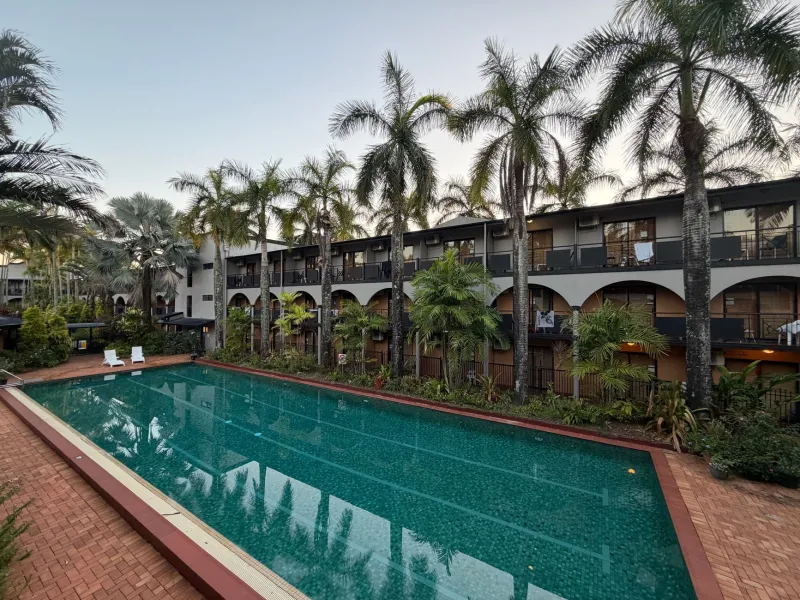
This is exactly where long-stay resort packages change the math. A pre-booked month or three satisfies the accommodation requirement, gives you a stable address for the application paperwork, and — crucially — removes the landlord-hunting gauntlet from your landing plan. Many workation properties have gotten fluent in visa logistics specifically because their guests need the documentation. Ask before you book; the good ones will know exactly what paperwork your chosen country requires.
The Realistic Playbook
If you're a US remote worker mapping this out, here's the sequence that works:
- Confirm your employer's stance. Get written clarity on where you can legally work from. Some companies restrict by country, others by time zone. Know before you apply.
- Match your income to the threshold. Most programs want bank statements or employment letters proving steady income. Gather these early.
- Sort health insurance. It's a requirement nearly everywhere, and US policies often don't travel. Travel medical insurance fills the gap.
- Book the long stay first. Lock in accommodation that satisfies visa requirements and gives you a soft landing.
- Build in buffer time. Consulates run on their own schedules. Apply with months of margin, not days.
The Bottom Line
The world has quietly changed for American remote workers. What used to be a patchwork of visa runs and hopeful interpretations has become a legitimate menu of countries that want your laptop, your income, and your extended stay. The paperwork is real, but it's navigable — and when you pair the visa with housing you've already sorted, the hardest part of the whole equation disappears before your flight even takes off.
The beach is officially a legal workplace. All that's left is choosing which shore.